Evaluating the Versatility of Kawaii Doodle Line Art Chef Illustrations
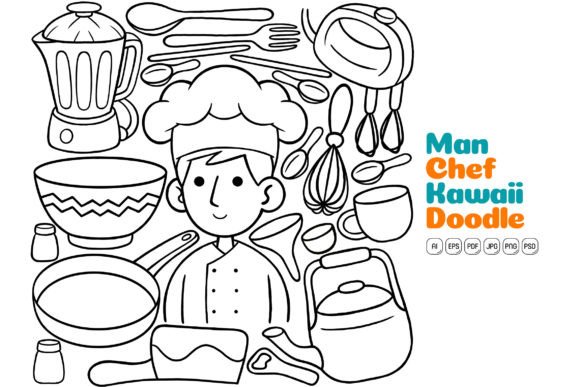
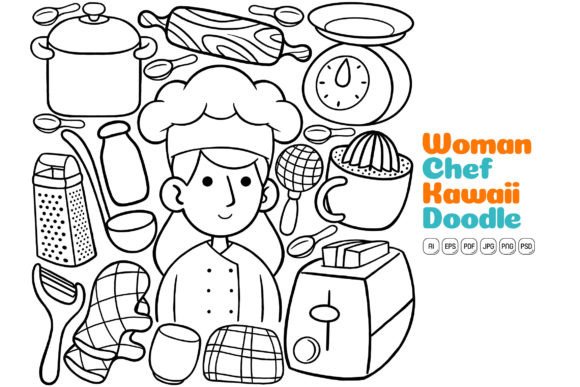
In the realm of digital illustration resources, a specific style has garnered attention for its blend of thematic focus and stylistic flexibility. The Woman Chef Kawaii Doodle Line Art collection represents a curated set of vector graphics designed for a wide array of projects. At its core, it is a bundle of 100 individual illustrations, each rendered in a charming, simplified line art style characterized by playful, "cute" (kawaii) aesthetics. What distinguishes this resource is not just its subject matter—celebrating female chefs and culinary elements—but its foundational design principles: flat design, high resolution, and complete vector scalability.
Understanding the Distinct Design Approach
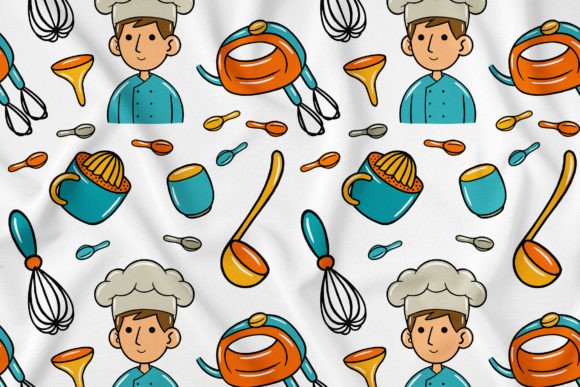
The hallmark of this collection is its adherence to pure vector line art within a doodle art framework. Unlike detailed photorealistic assets or complex 3D models, these illustrations rely on clean outlines, minimalistic fills, and intentional simplicity. This creates a visual language that is both approachable and highly versatile. The "flat design style" eschews shadows, gradients, and textures, resulting in graphics that feel modern and clear. This is a conscious stylistic choice that offers specific advantages, particularly for projects requiring quick comprehension and visual consistency across different media.
A key point of comparison lies in the file formats provided. The inclusion of EPS files for vector editing and high-resolution JPGs offers two distinct pathways for use. The vector EPS format, compatible with Adobe Illustrator and similar software, is where the true flexibility resides. It allows for the promised "easy to edit" customization: changing colors of individual shapes, resizing without quality loss, and combining elements to create new compositions. The 6500 x 6500 pixel JPG files serve a different need, providing ready-to-use, detailed raster images for scenarios where vector editing is not required. This dual-format offering positions the collection between a rigid, static asset pack and a fully open-ended design toolkit.
Tradeoffs Between Simplicity and Detail
Choosing a doodle line art style involves inherent tradeoffs. Its strength in clarity and ease of customization can be a limitation for projects demanding high realism or intricate emotional depth. For instance, a sophisticated restaurant website aiming for a luxurious, sensual feel might find a more detailed illustration style a better fit. Conversely, for an infographic explaining cooking steps, a startup's friendly landing page, or social media content aiming for engagement through relatability, the kawaii doodle approach excels. Its simplicity accelerates communication.
The "kawaii" or super cute aspect itself is a significant decision factor. This aesthetic resonates strongly in certain demographics and cultures, and aligns perfectly with brands or projects wanting to project warmth, inclusivity, and approachability. However, for a corporate culinary supplier or a serious technical cooking manual, this style might feel less appropriate. It's important to evaluate whether the cute, playful tone aligns with your project's brand voice and audience expectations.
Practical Applications and Best-Fit Scenarios
The provided list of use cases—infographics, social media, printing material, websites, banners—is broad, but realistically, some applications showcase the collection's strengths more than others. Its vector nature makes it exceptionally well-suited for printed materials where scaling is critical, such as large banners or small flyers, without any loss of quality. For digital use, the ease of color customization allows these illustrations to be adapted quickly to match existing brand color palettes, a common requirement for website and landing page integration.
Consider a practical example: a community cooking blog wanting to create a series of shareable social media posts about different kitchen tools. Using Woman Chef Kawaii Doodle Line Art, the creator could isolate individual utensil illustrations, change their colors weekly to match a theme, and overlay text without the graphic becoming visually cluttered. Another example might be a meal-planning app needing consistent iconography for its interface; the flat, clear style of these illustrations could serve that purpose well, especially if the app's target audience includes younger users or families.
When This Resource Is the Right Choice
This illustration collection is a strong candidate when several factors align. First, when the project theme directly involves cooking, chefs, or food preparation in a positive, light-hearted manner. Second, when the design workflow requires adaptability—the need to modify colors, sizes, or composite elements is not a future possibility but a present requirement. Third, when the project budget or timeline favors using pre-made, editable assets over commissioning custom illustrations from scratch. Fourth, when the intended output spans multiple formats (digital and print), making vector assets a pragmatic choice.
It also fits situations where the designer or content creator has intermediate access to vector editing software like Adobe Illustrator. While the JPGs are usable without such software, the core value of customization and recombination is unlocked through the EPS files. A user without vector editing capability would primarily leverage the high-resolution static images, which is still valuable but doesn't utilize the full potential of the pack.
Evaluating Needs for More Complex or Alternative Styles
While the Woman Chef Kawaii Doodle Line Art collection offers considerable versatility, some projects may necessitate exploring other options. If a project requires hyper-specific, culturally nuanced depictions of chefs or cuisine that go beyond generalized cute representations, a more customized illustration solution might be needed. Similarly, projects aiming for a stark, minimalist, or ultra-serious tone might find the kawaii essence at odds with their goals.
Another consideration is the need for animation. While vector graphics can be animated, the specific style of these illustrations—being line art with distinct, separate shapes—could be amenable to simple animation, but it would require additional software and skill. If your project's primary need is pre-animated food-themed GIFs or video assets, a different type of resource would be more directly applicable. This collection is fundamentally a static design asset pack with editing potential, not an animated one.
The decision often comes down to balancing specificity, style, and control. Highly generic illustration packs offer wider subject variety but less thematic cohesion. Highly specialized, custom illustrations offer perfect alignment but at greater cost and time. This particular collection sits in a middle ground: specialized in theme (woman chef culinary), yet flexible in execution through its editable vector format and adaptable cute style. It serves as a bridge, reducing the need for full customization while offering more targeted coherence than a completely random asset bundle.
Making an Informed Selection
For adults researching illustration resources, the key is to match the asset's capabilities with the project's lifecycle. Ask practical questions: Will you need to adjust these graphics over time as your brand evolves? Does your project require output in physically printed formats? Is the cute, friendly aesthetic a core part of your messaging? Does having 100 coordinated elements, rather than searching for individual disparate graphics, improve your workflow efficiency?
The Woman Chef Kawaii Doodle Line Art collection is a tool. Its value is maximized when its inherent properties—vector scalability, flat doodle style, culinary theme, and easy color editing—directly address the challenges of your specific project. By understanding both its strengths and the tradeoffs involved in choosing a simplified, stylized approach, you can better assess whether it is a fitting component for your creative toolkit or if your needs point toward a different illustrative solution altogether. The goal is not to find the "best" asset pack universally, but the most suitable one for your unique set of requirements.