Heat Stroke Symptoms: A Critical Guide for Tired Persons Under the Scorching Sun
In an era where our lives often blur the lines between professional ambition and personal well-being, understanding heat stroke symptoms is no longer just a seasonal concern—it's a critical component of modern self-care. The phrase "Heat Stroke Symptoms. Tired Persons Unde" encapsulates a vital warning for anyone pushing through their goals under intense conditions. Whether you're a freelancer working outdoors, an entrepreneur attending summer networking events, or a parent juggling family and career, recognizing the signs of overheating is essential for maintaining your health and productivity.
The Rising Relevance of Heat Awareness in a Warming World
As global temperatures rise and summers become more intense, the risk of heat-related illnesses has evolved from a niche topic to a mainstream health priority. Modern lifestyles contribute to this risk: remote workers might take calls in sunny parks, creators shoot content outdoors, and fitness enthusiasts pursue their routines regardless of the weather. This intersection of ambition and environmental exposure creates a scenario where "tired persons under scorching sun" are increasingly common. The consequences are not merely personal; they impact team dynamics, project timelines, and overall business continuity when key individuals fall ill.
Beyond Simple Sunburn: Recognizing the Spectrum of Heat Illness
Heat stroke is the most severe form of heat injury, a medical emergency where the body's temperature regulation fails completely. It's a stark progression from simply feeling warm. The journey often begins with less severe conditions like heat exhaustion, characterized by heavy sweating, weakness, and dizziness—common in tired persons under direct rays. Ignoring these early warnings can lead to the catastrophic transition to heat stroke, where sweating stops, the body temperature skyrockets past 104°F (40°C), and confusion or loss of consciousness occurs.
Decoding the Symptoms: From Headache to Systemic Collapse
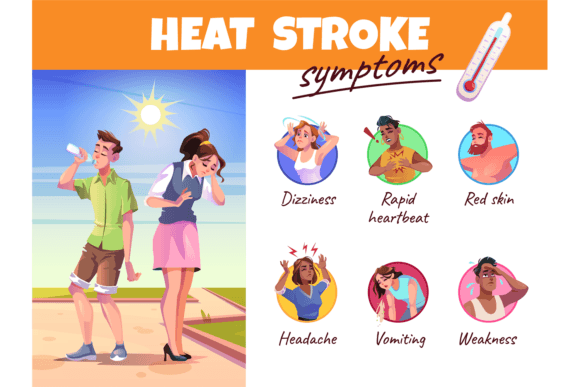
The symptoms are a body's desperate distress signal. A throbbing headache under the sun is often the first clue, frequently accompanied by intense dizziness that makes steady work or safe movement impossible. For professionals, this isn't just discomfort; it's a direct threat to performance and safety. Other critical signs include:
- Nausea or vomiting: The body's systems begin to revolt.
- Hot, dry skin or profuse sweating: A key differentiator between heat exhaustion and full-blown heat stroke.
- Rapid, shallow breathing and a racing heart rate: The cardiovascular system struggles to cope.
- Mental confusion, agitation, slurred speech, or even seizures: The neurological impact is severe and dangerous.
- Potential loss of consciousness: The ultimate warning of a body in crisis.
These symptoms represent a direct consequence of overheating, where the core temperature rise damages cells and overwhelms the brain, heart, kidneys, and muscles.
Why Tired Persons Are at Higher Risk
The modifier "tired persons" is clinically significant. Fatigue, whether from work stress, poor sleep, or intense physical exertion, reduces the body's resilience and its ability to manage thermal stress. A tired individual has diminished physiological reserves. Their cardiovascular system is already taxed, their hydration levels might be suboptimal from a busy schedule, and their mental alertness to early symptoms is lowered. This combination makes them far more susceptible to the "scorching sun" transforming into a serious health crisis. It's a perfect storm of modern lifestyle pressures and environmental extremes.
Practical Implications for Professionals and Everyday Life
The practical application of this knowledge is straightforward yet vital. For the remote worker setting up a laptop in a sunny courtyard, the freelancer on a long outdoor shoot, or the business owner overseeing a summer market stall, proactive measures are non-negotiable. Scheduling demanding mental tasks for cooler morning hours, insisting on shaded work areas, and prioritizing hydration as part of your workflow—not as an afterthought—are essential strategies. Technology aids us here: weather apps with heat indices, hydration reminder apps, and portable cooling devices can be integrated into a professional toolkit.
Furthermore, the visual communication of this risk, as seen in healthcare poster vector infographics in formats like EPS or JPG, plays a crucial role in public and workplace education. These clear, digestible visuals are ideal for sharing in team chats, posting in community spaces, or embedding in safety manuals. They translate complex medical information into actionable insights, helping teams and communities stay vigilant.
Realistic Recommendations for Prevention and Response
Prevention hinges on habit shifts. Acclimatization is key; if your work or hobby suddenly increases your sun exposure, build up tolerance gradually over days. Wear loose, light-colored clothing and a wide-brimmed hat as part of your outdoor "uniform." Rehydrate with water and electrolytes consistently—don't wait for thirst. Most importantly, listen to your body. If you feel a headache developing alongside unusual fatigue under the heat, that is your signal to stop, cool down, and reassess.
When symptoms suggest heat stroke, response must be immediate and decisive. This is a 911 emergency. While waiting for help, move the person to a cool place, attempt to lower their temperature with cool cloths or a bath, and do not give them fluids if they are confused or vomiting. The modern ethos of "powering through" is dangerously counterproductive here. Protecting your long-term health and cognitive function is the ultimate priority, overriding any short-term deadline or goal.
A Forward-Looking Perspective on Personal and Community Safety
As our climate and work habits continue to evolve, knowledge of heat stroke symptoms will become embedded in our collective safety literacy. It aligns with a broader trend towards holistic well-being, where professional success is balanced with physical sustainability. For creators, educators, and leaders, this means fostering environments—both digital and physical—that prioritize heat safety. Sharing those clear infographics, scheduling outdoor meetings responsibly, and normalizing breaks for hydration are simple yet powerful practices.
Understanding Heat Stroke Symptoms. Tired Persons Unde is more than reading a warning; it's about integrating that warning into the rhythm of our ambitious, sun-exposed lives. It empowers us to pursue our passions under the sun without becoming victims of its intensity. By recognizing the signs—from that initial headache and dizziness to the more severe systemic failures—we safeguard not just our health, but our capacity to create, work, and thrive in any season.